
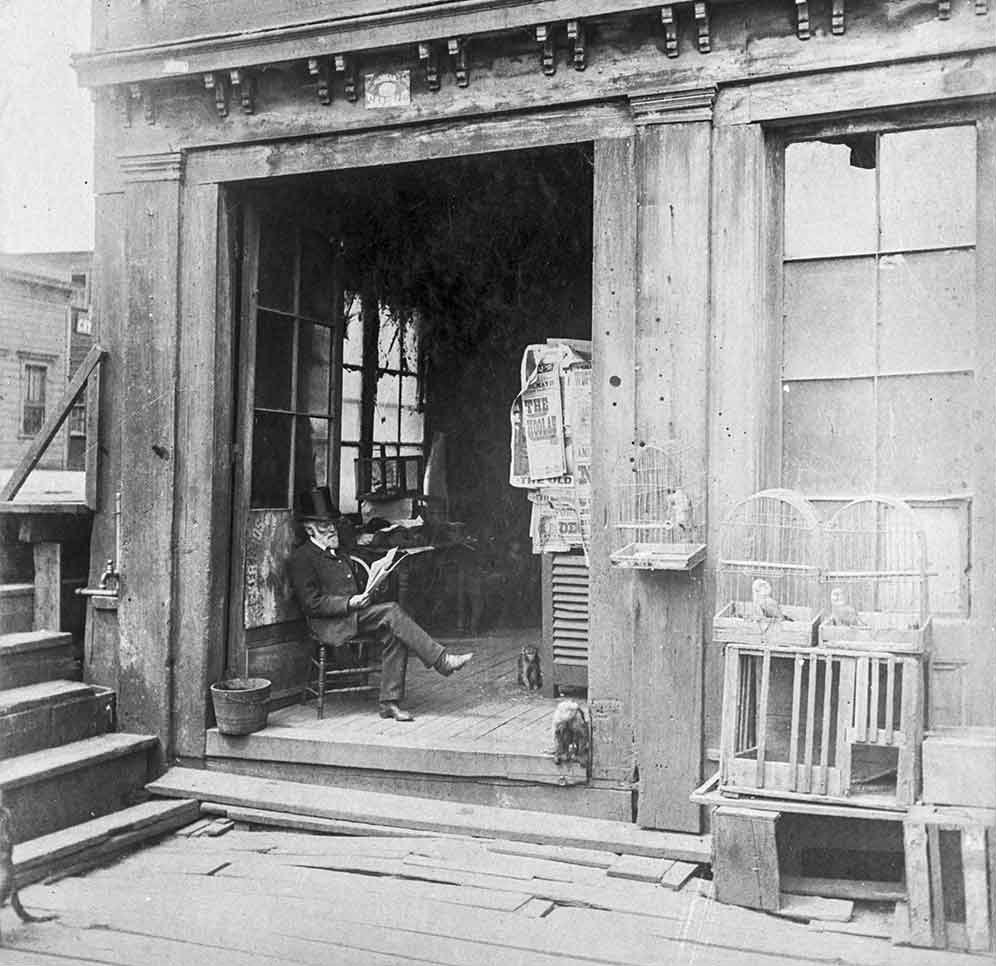
Welcome to the Cobweb Palace; a blog for 21st century musings with 19th century aesthetics and 22nd century morality. I’m Pathway, your host, and this is my page — a set of randomly collected ramblings that from time to time I decide to write down and share with the world.
But why “The Cobweb Palace”, you ask? Because it was a magical place in a dreary, mundane world. And since, like the Man of La Mancha…
“I come in a world of iron…to make a world of gold”
Dale Wasserman, Man of La Mancha
…I have a fondness for old, magical things. I came across the Cobweb Palace for the first time in my teens, when I was reading Neil Geiman’s Sandman. The Palace was featured in issue #31, titled “Three Septembers and a January”.
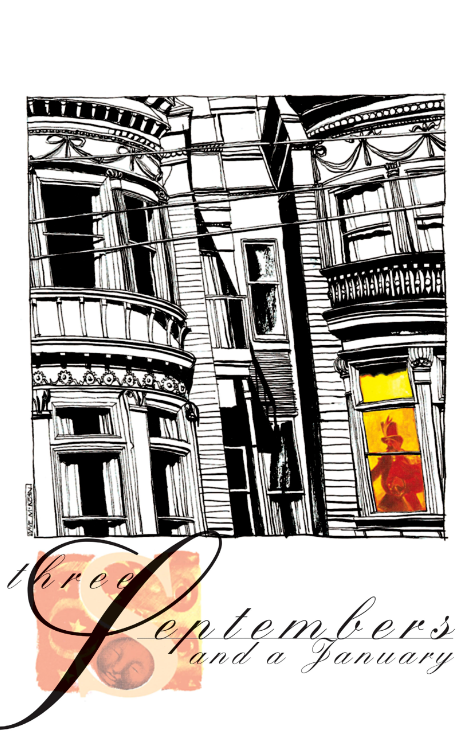
The issue…
“…tells the true-ish story of Joshua Abraham Norton, the self-proclaimed Emperor of the United States, a madman who was nonetheless saner than most sane men. Written by Neil Gaiman and drawn by Shawn McManus, Sandman #31 was the third in a quartet of issues (completed with #50, the acclaimed “Ramadan”) subtitled “Distant Mirrors.” Wedged between major story arcs “Season of Mists” and “Game of You,” and self-contained except for their themes about rulers and the nature of power, these stories are smaller gems in Sandman’s crown but no less bright because they show the fantastic scope of the series at its best. “Thermidor” saw the wily Joanna Constantine retrieving the head of Orpheus during the horror of the French Revolution, and “August” followed the Roman emperor Augustus as he pretended to be a beggar for a day, but “Three Septembers and a January,” about that solitary eccentric in 19th century San Francisco, is perhaps the most human and affecting of the bunch.”
Kayleigh Hearn, Revisiting Sandman #31
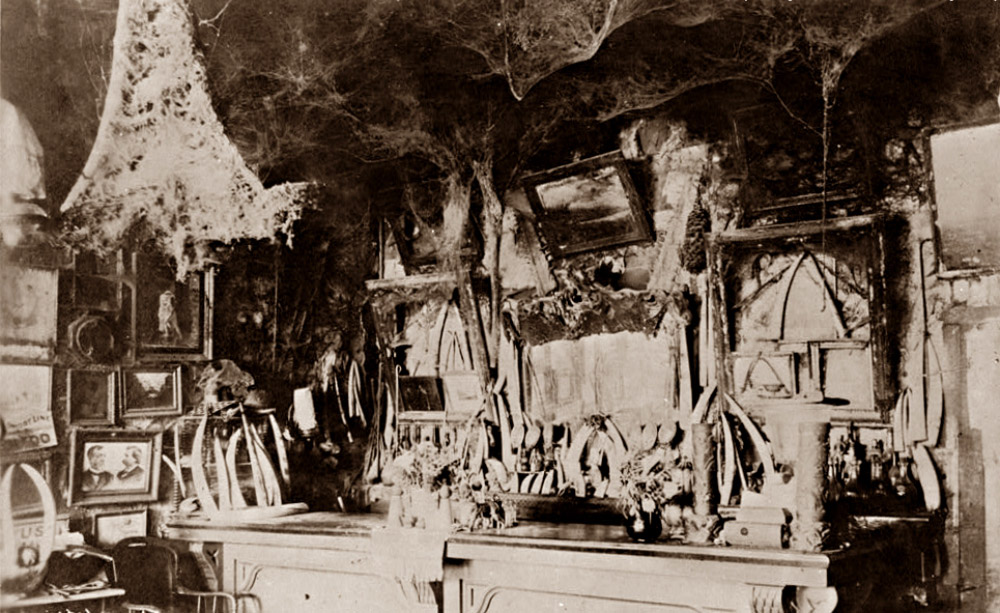
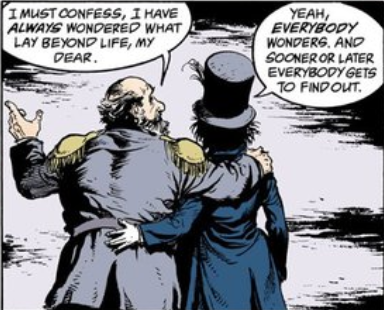
The Cobweb Palace was one of the locations that featured in the comic; it was a place Emperor Norton frequented, and where Desire attempted to tempt him in order to win the bet against her older sibling, Dream.
In real life, the Cobweb Palace was…
“…a popular saloon and restaurant at Meiggs Wharf in San Francisco, California during and after the Gold Rush. It was run by eccentric “Old Abe” Warner, who traded drinks for exotic pets, curios, and pieces of scrimshaw as well as money. An old, physically disabled sailor sold peanuts outside. The Palace was popular with seafarers, tourists, and locals alike. Old Abe’s menu included free chowder, seafood, alcohol, and local French bread, but not straight whisky, which he thought of as a lesser drink. There was a shooting gallery, and the bar was a few steps below the sidewalk.”
Wikipedia, The Cobweb Palace
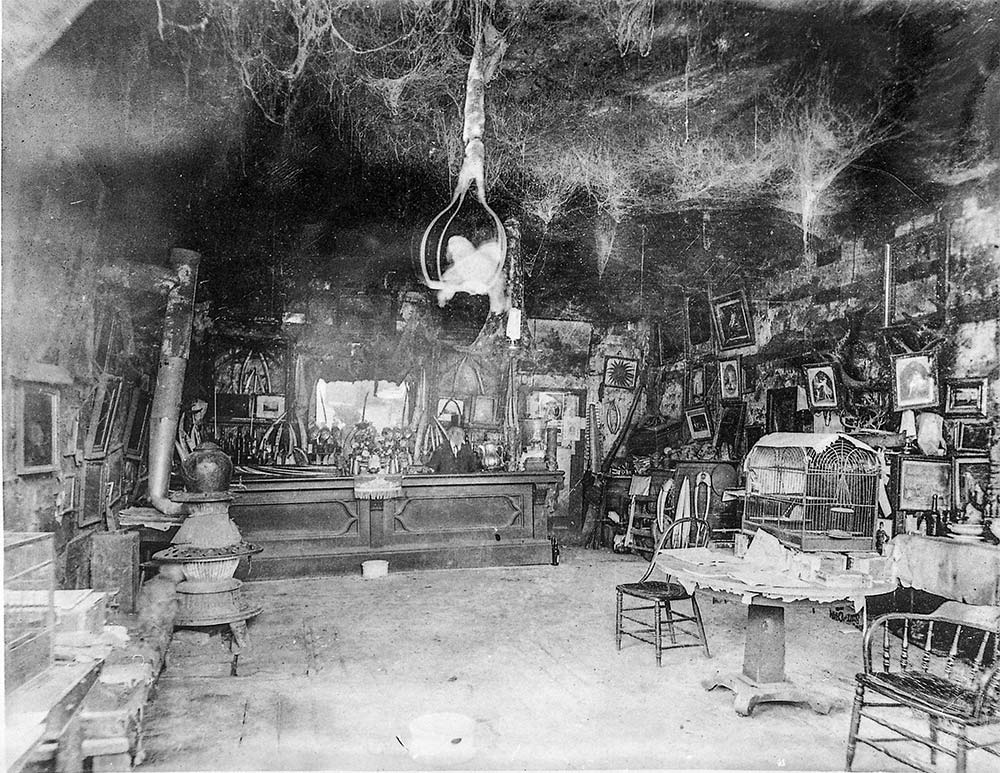
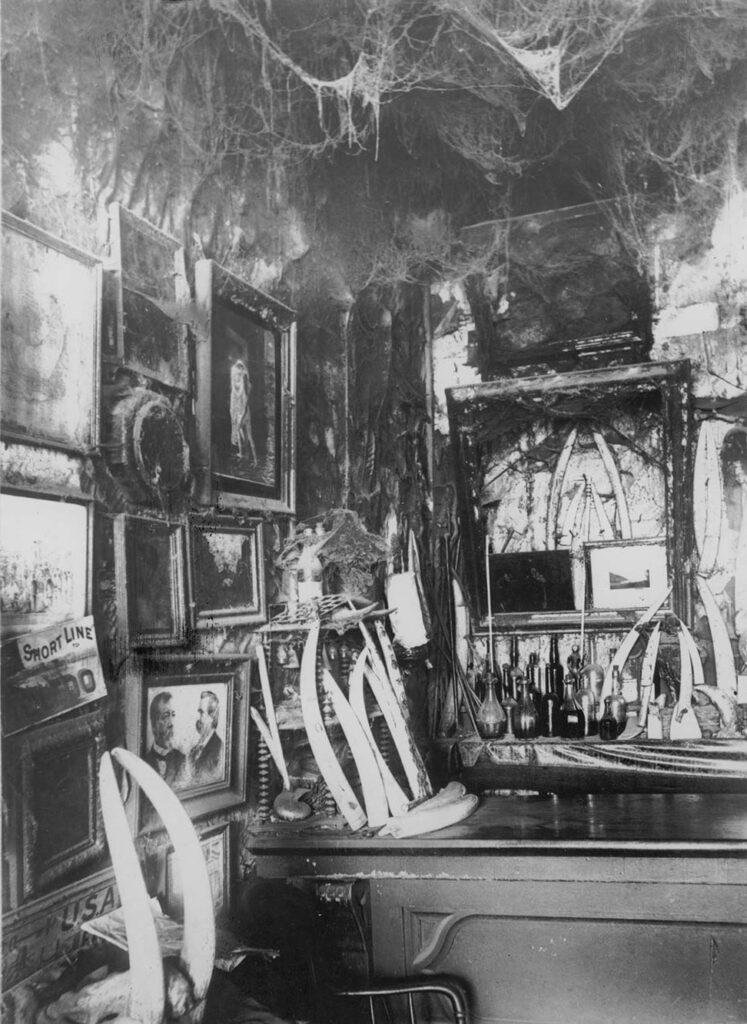
The place took its name because Warner, who refused to kill spiders, left strands of their webs everywhere, as you can see below.
So there you have it, gentle reader. A pinch of fantasy, a dash of romance, a touch of nostalgia. The makings of a beautiful story to keep myself company, until the end.
.- Pathway